
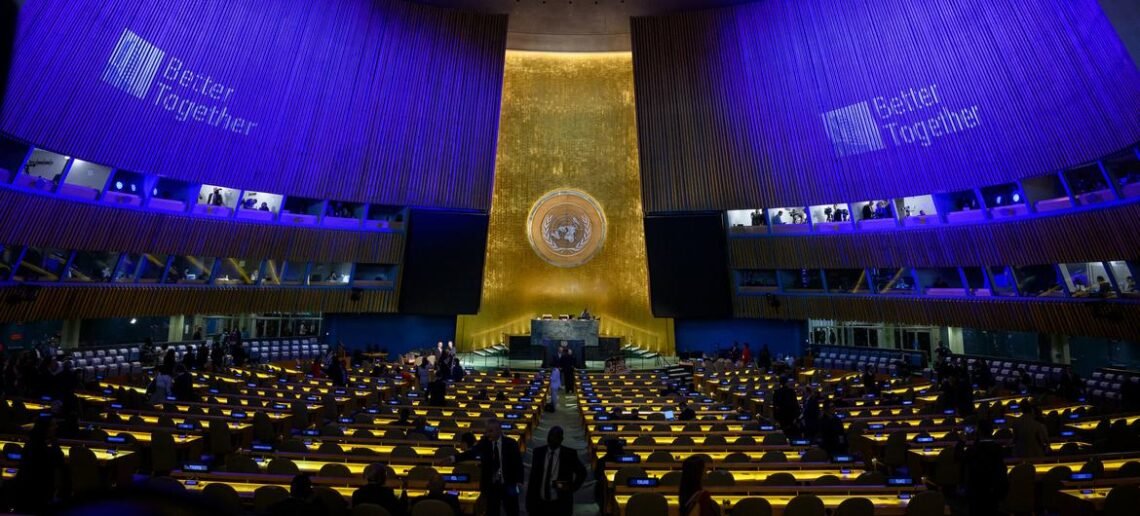
The recent United Nations General Assembly (UNGA) session which chalked 80th birthday on September 9, 2025, and ran until September 2026 was titled “Better together: 80 years and more for peace, development and human rights” and it focused on issues like Security Council reform, climate change, the Sustainable Development Goals, and artificial intelligence. This theme reflects a strategic direction of the international community, of which the African region, is expected to devise sustainable and artificial intelligence strategies to enhance the growth and developmental projects of member-states by uplifting their populations from poverty into prosperity. The UNGA also provides a platform and opportunity for heads and leaders of governments of the international community to articulate and advocate strategic-policies that promote political, economic, social and cultural wellbeing of their respective states and the global world. As norms and rituals of the UN tenets permit, leaders of states, representatives and their diplomats were represented at the UN to deliver speeches reflecting global, domestic issues and risks confronting societies. Against that background, this blogpost (post) examines the speeches delivered by some African leaders with a view to critiquing their strategic relevance for the continent.
Speeches by African Leaders at the UN
As characterised in the introduction, each president or head of government of a country has the unfettered right to deliver a speech addressing the international community on global and national issues. While this forum offers leaders of the international community a platform to contribute strategic ideas and proposition of novel solutions to address global challenges, African leaders persist in making demands which are not only moribund, but also impossible to achieve now or in the future. The moribund demand is the redundant reparation for slavery and slave trade crimes committed against Africans by Europeans and Americans. This issue is explored further in this blog. But for now, some comments on the speeches by the presidents of Kenya, William Ruto (Ruto) and John Dramai Mahama (Mahama) of Ghana. President Ruto recounted the modest achievements by the Kenyan police force in stabilising the tension in Haiti by conducting peace-keeping operations in that country, and called on the UN for more logistics and funding to consolidate the achievement. The modest success by the Kenyan Police Force in Haiti is inspiring and should prompt Ruto and his fellow African leaders and presidents to work together in building a modern African Continental Force to protect the security needs of the continent as well as stem perennial intra-and -inter-states conflicts that distort the peace and development of the region. This feat is achievable if only African leaders recognise once and for all, that the development and wellbeing of the continent and its peoples rest in their own hands and thus work dedicatedly with patriotism, eschewing selfishness mired in corruption and brazen stealing of public monies.
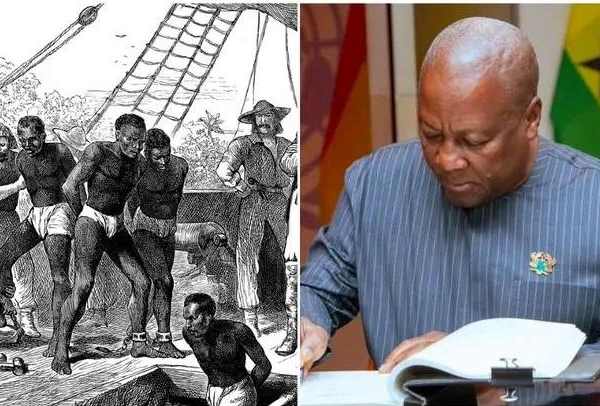
On his part, President Mahama of Ghana spoke of his vision to lead Ghanaians within the purview of constitutional law by promoting the socioeconomic, political and cultural values of the people whilst seeking to build bilateral and multilateral relationships with other states, in the global community, to stem climate and environmental challenges affecting the world. Pronouncedly and firmly, Mahama condemned Isreal’s barbaric and genocidal carnage being visited on the people of Gaza, solicited the international community to mobilise peace-keeping forces to intervene in Gaza, thereby creating stability and peace in the country and region. Furthermore, and as repeatedly advocated by his predecessors and fellow African leaders, Mahama joined in the same chorus to reframe the lame arguments demanding reparation for slavery and slave trade crimes committed against Africans over hundred years down the century. While this post is not exonerating the wrongs and vestiges of slavery and slave trade against Africans, it contends that the demand for reparation is legally otiose and pedestrian because fixating on reparation denies Africans the capacity to craft strategies to move the continent towards prosperity, as examined in the next section.
African Leaders and Lame Decision-making at the UNGA
The UNGA offers a forum for leaders, presidents and in some cases non-governmental organisations (NGOs)), to speak on issues or invite solutions to address national, regional and global issues. One caveat worth stating here is that although only two presidents -that of Ghana and Kenya are cited thus far in this blog as making demands for reparation- majority of African presidents at the UN anchored their speeches in demands for reparation for slavery and slave trade crimes committed against Africans. It is contention of this post that while the reparation arguments is antiquated and legally vexatious, it has become a refuge for African leaders to play vain politics by offloading their obligation to strategise and promote policies that improve the socioeconomic, politics and cultural wellbeing of their peoples. Notwithstanding the influences of external powers in the affairs of African states, African states themselves have shown ineptitude and irresponsibility of fending for their domestic and regional affairs adequately. This is because African leaders often assume and use political office as their personal properties to steal or siphon money from national coffers to promote their selfish needs at the expense of the peoples’ welfare. This has resulted in the series of socioeconomic hardships confronting their nations. At the time of writing this blog, examples bound with cases of stealing and misappropriation of state funds by politicians and public officials in each state of Africa. For example, in Ghana alone, several cases of millions of pounds, dollars and euros have been stolen by previous government appointees to the detriment of public services and economic sustenance. The sum total of money stolen by African politicians per one calendar year alone could uplift the entire region/continent out of poverty. Rather than fixating on reparation by offloading their responsibilities, African leaders must focus on themselves and use their depth of resources through regional collaborative strategies to develop and consolidate their status. It is easy to build domestic and regional capacities across the continental frontiers by working harder to implement the African Continental Free Trade Area (AfCFTA) to increase intra and inter-trade among African states as well as build partnership arrangements that promote research activities geared to address the social, economic, political and cultural values of the region with little dependence on external powers. This strategy is more likely to address the challenges of Africans and place them stably as a cohesive regional force rather than expending efforts in advocating for reparations that might never be realised.
Final Remarks
The prosperity of Africans reside in African themselves instead of chasing unrealistic reparation entangled in complex international law legalistic frameworks. Slavery and slave trade were bad and morally wrong; however, the corruption by African leaders which is manifested in stealing national resources and saving them in European, American or off-shore banks is more enslaving to the African people than the antiquated slave trade. There is hardly a guarantee that Africans will receive reparation and if they do, whether it would be substantial enough to erase the stigma of slavery. What Africans must do concretely and substantively is to look inwardly by harnessing their resources, capabilities and creativity without offloading their obligations onto the shores of external powers. It has been sixty-eight to seventy years plus since African states gained independence from their colonial masters; so, the argument and pursuit of reparation for slavery without addressing endemic corruption and misgovernance will not save them. The UN remains forever a platform for the international community to espouse viewpoints on global issues, but that forum won’t uplift Africans out of poverty unless Africans recognise their own strengths and decide to leverage them strategically.
No Comments